

Vibe coding is transforming how we approach everyday tasks, moving from static Word documents to interactive apps built with AI tools like Claude. This shift allows anyone to create simple, functional solutions without programming knowledge.
What Is Vibe Coding?
Vibe coding is a term gaining traction in the tech community, referring to the practice of creating applications through natural language prompts rather than traditional coding. It's about describing what you want and letting AI generate the app.
Find Original Home Decor sparking conversation at Grand Goldman Shop.

This approach is powered by tools like Claude, which can produce editable and executable content locally or on the web. These are often called artifacts—simple interfaces that can be created in minutes.

Why Vibe Coding Matters
The rise of vibe coding means that tedious tasks—like creating lists, forms, or trackers—can now be automated with custom apps. This democratizes app development, allowing non-programmers to build solutions tailored to their needs.
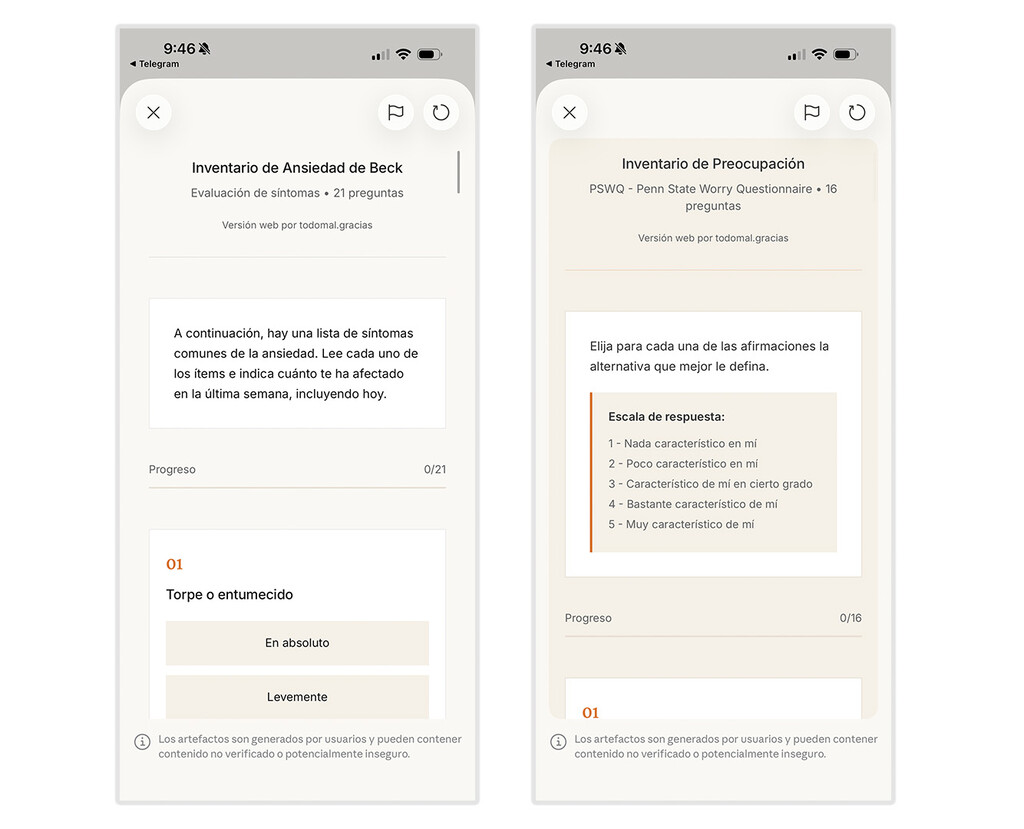
For example, instead of managing tasks with Slack bullets or Excel sheets, you can create a dedicated app that streamlines the process. This not only saves time but also reduces errors and improves organization.
How to Get Started with Vibe Coding
Getting started is easier than you might think. You don't need complex prompts; just describe your needs in plain language. Here are some key takeaways:
- No coding required: Use natural language to describe the app you want.
- Quick creation: Apps can be built in minutes using AI tools like Claude.
- Local or web-based: Artifacts can run locally or be deployed online.
- Customizable: Edit and refine the app as needed without starting from scratch.
- Cost-effective: Avoid expensive development costs for simple solutions.
Real-World Example: Clinical Test Correction
One practical example is correcting a clinical test with 21 items and reverse scoring. Instead of manually calculating scores, a simple app can automate the process, reducing errors and saving time.
This illustrates how vibe coding can be applied to niche tasks that might not warrant a full-scale development project but still benefit from automation. Context on how this played out before sits in Vibe Coding: From Word Docs to Simple Apps for Everyday Tasks.
Vibe Coding vs Traditional Development
While vibe coding is not a replacement for professional development, it offers a fantastic solution for simple tasks. Here's a comparison: The background to this story is set out in Technology: latest articles. A related thread runs through Vibe Coding Exposed: 5,000 Apps Leak Sensitive Data.
| Aspect | Vibe Coding | Traditional Development |
|---|---|---|
| Skill required | None (natural language) | Programming knowledge |
| Time to build | Minutes | Hours to days |
| Complexity | Simple apps | Complex systems |
| Cost | Low (AI tool subscription) | High (developer time) |
| Customization | Limited but sufficient for simple tasks | Highly customizable |
The Future of Vibe Coding
As AI tools become more sophisticated, vibe coding is likely to become more prevalent. It empowers individuals to create solutions without relying on IT departments or developers. Earlier coverage in Claude Code Source Code Leak: What It Means for Competitors shows how the argument developed. A closer look at the same subject appears in Engineer Turns 1,300 Family Photos Into a Personal Wikipedia.
This shift could lead to a more agile workplace, where employees build their own tools to streamline workflows. However, it also raises questions about security and scalability, which will need to be addressed. Anyone following the wider picture can start with How to Create Simple Claude Skills for a Personalized AI Experience. The same theme surfaces in Anthropic's Fall From Grace: Developers Feel the Squeeze, which takes a different angle.
FAQ
What is vibe coding?
Vibe coding is the practice of creating applications using natural language prompts and AI tools, without traditional programming. It allows anyone to build simple apps quickly.
Do I need programming skills for vibe coding?
No, vibe coding requires no programming skills. You simply describe what you want in plain language, and the AI generates the app.
What tools are used for vibe coding?
Tools like Claude and Antigravity are popular for vibe coding. They allow users to create artifacts—simple, executable interfaces—locally or on the web.
Is vibe coding suitable for complex applications?
Vibe coding is best for simple tasks and prototypes. For complex applications, traditional development is still recommended due to scalability and security considerations.
Browse the Shop
 Acacia frida deluxe solid wood bed frame |
Bedroom bench |
Bed chest drawers |
Lingerie dresser |
Frame base |
Mirror with jewelry storage |
30 Bathroom Vanity |
Memory foam queen mattress |
Mattresses for back pain |
Nightstand set of 2 |
Grand Goldman Shop |
Civil Lawyer
Deutschland Trikot WM 2026







